

Table of contents
What is “social climate”?
Remember when people smoked in indoor public spaces and curbside recycling collection programs didn’t exist in Canada? Over the past 35 years, the acceptance of smoking and recycling has significantly changed thanks to awareness campaigns, policies and laws working together to shift society’s general feelings, attitudes, beliefs and opinions toward both behaviours. In other words, there have been changes to the “social climate” of both smoking and recycling. As a result, it’s become expected for people who smoke to do it outdoors and away from others, and for people to recycle as part of everyday life.
Why is the social climate of physical activity important?
One way to get people to change what they do is to change the social norms and beliefs about their behaviours. According to Statistics Canada’s most recent physical activity data, only 46% of adults, 52% of children between the ages of five and 11 years, and 21% of youth aged 12 to 17 years are meeting national physical activity guidelines. Can people be motivated to get active ‘like others do’, just as they were driven to quit smoking and recycle?
Breaking down social climate
Humans are naturally social animals. So, when we see other people behaving in a certain way, especially those we look up to, respect or want to be like, we tend to want to “fit in” with and act like them. Just like what was done with smoking and recycling, what “fitting in” means to people in Canada can be changed by using the following features of social climate:
1. “Social norms” are a society’s behaviour or belief patterns. They can be descriptive or injunctive:

- “Descriptive social norms” reflect how you think other people are behaving. Whether you believe most of your co-workers use active transportation like cycling to get to work is an example.
- “Injunctive social norms” reflect what you think others approve or disapprove of – for instance, whether you believe your co-workers would consider it admirable or strange for you to cycle to work.
2. “Social appraisal” is choosing to act based on others’ feelings and/or opinions on a certain topic. Deciding to drive to work because you think your co-workers might judge you for cycling or taking public transit is an example of this.
3. “Social identity” is how you see yourself based on the groups you belong to. You may ask yourself questions like:
- “Would changing my current behaviour help me fit in more with my social circles?”
- “Is cycling to work appropriate for a nurse or lawyer?”
- “Am I part of a family who hikes together?”
Example 1: Reducing smoking by changing its social climate
Shifting the social climate of smoking by de-normalizing this behaviour is a great example of how changing social appraisal and identity led to anti-smoking laws and behaviour change. This was done through:
- Policies that restricted smoking in public to reduce how often smoking was seen and banning open displays of tobacco products.

- Awareness campaigns led by important role models, like health professionals and family and parent groups, to make smoking less socially acceptable.
These actions drove home the idea that smoking is not a normal behaviour, changing how socially acceptable it is to the public. This led to policies that restricted smoking even further to become more acceptable, such as bans in more places and packaging requirements.
Example 2: Increasing recycling by shifting the social climate surrounding
Recycling rates have gradually gone up in Canada since the mid ‘90s. Although this is partly because of better access to recycling programs, changes to the social climate of recycling were key to people taking on this behaviour. This was done through the following:
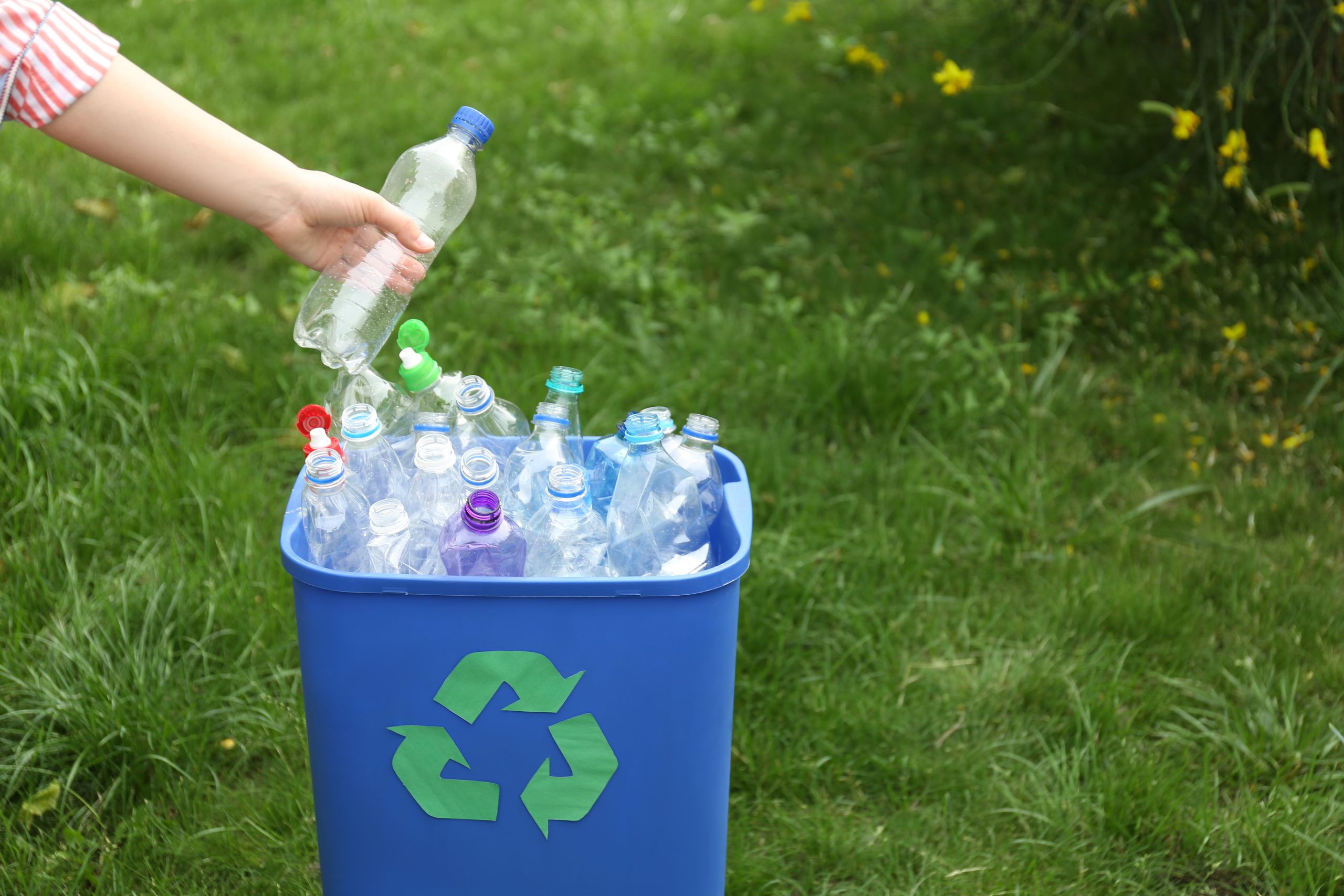
- Public education about the benefits of recycling from influential people like scientists and environmental activists. This made waste sorting more socially acceptable and throwing recyclable items in garbage bins less socially acceptable.
- Blue recycling bins placed in front of homes, workplaces and schools. These acted as visual reminders of how much other people recycle.
- Messaging about shared responsibility, like being part of the community that helps keep the planet clean.
- Slogans like the “3 R’s: Reuse, Reduce, Recycle” showed in-group status in people who recycled.
Normalizing recycling made it more socially acceptable and expected for people to do it regularly. If you ever wondered if someone would judge you for throwing an empty plastic bottle in the trash bin instead of the blue bin, that’s social climate in action. While changing the social climate helped reduce smoking and increase recycling in Canada, this was not the only factor at play – charging people taxes or fines for smoking or not recycling, educating people about the benefits of recycling and the harms of smoking, and policies to ban tobacco products also had a role.
Applying the features of social climate to physical activity
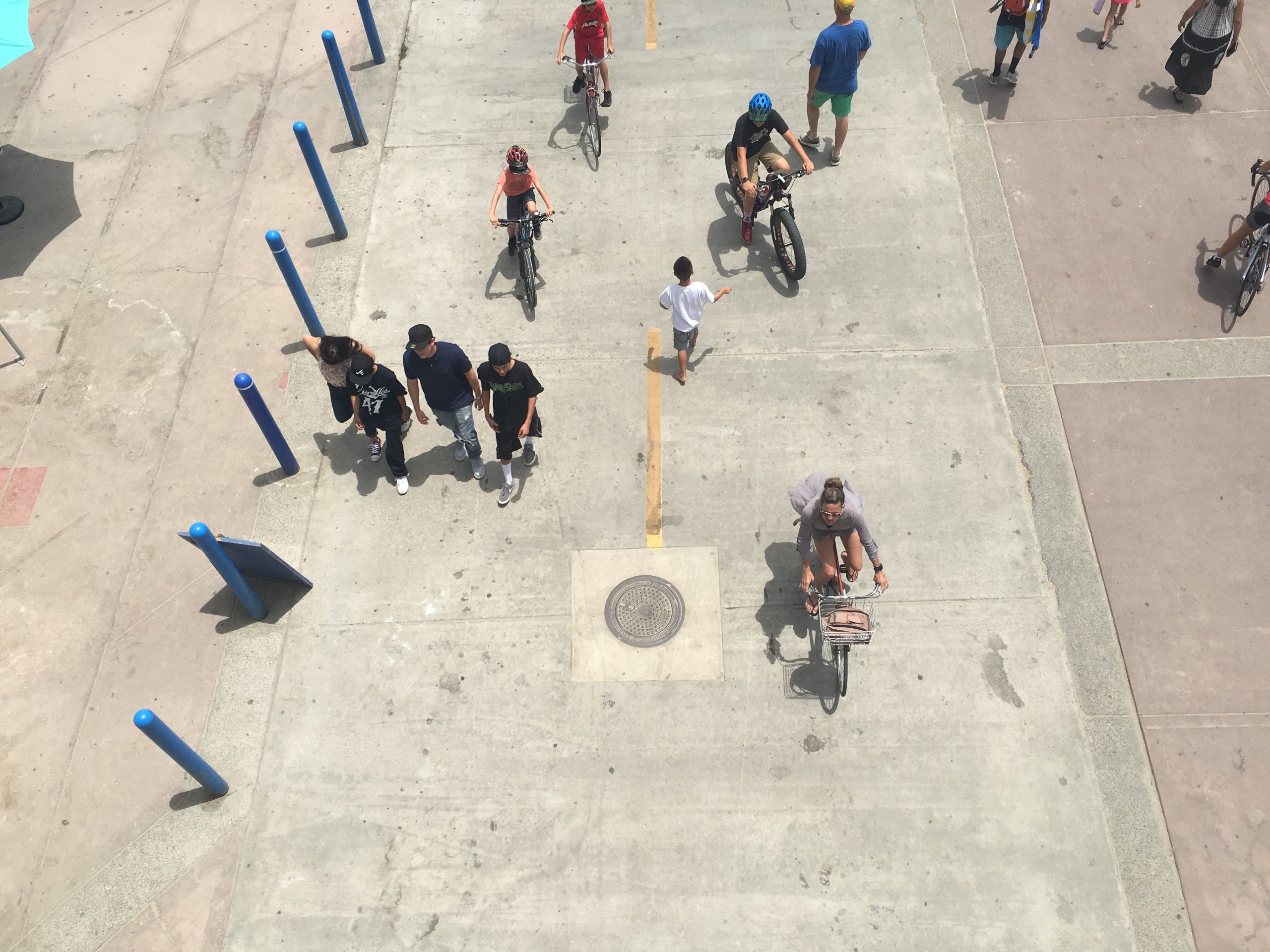
- Descriptive social norms: how common you think it is to see others being active. One way to change descriptive social norms around physical activity could be signs highlighting that it’s common to take the stairs instead of the elevator or to cycle in a certain neighbourhood.
- Injunctive social norms: whether you think other people approve or disapprove of physical activity or inactivity. To change injunctive social norms in the workplace, for example, organizations can run campaigns to show approval of active transportation to commute to work.
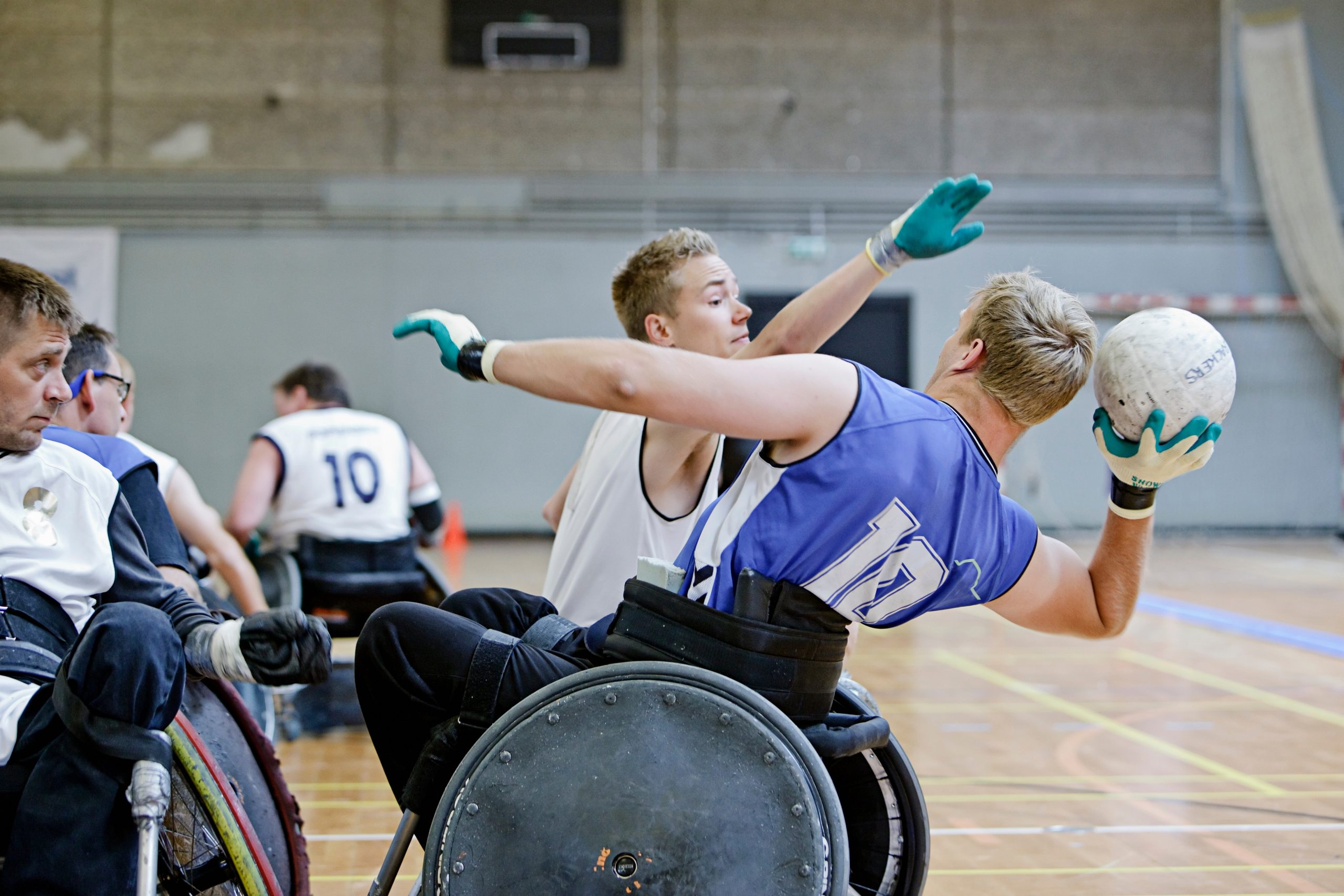
- Social appraisal: you see physical activity as a positive behaviour, so it makes you want to get active because others think it’s a good thing. Testimonials about the benefits of physical activity and people demonstrating physical activity both use social appraisal.
- Social identity: people form identities from being part of social groups, so falling in with an active crowd like a walking club, sport team or exercise class is one way to promote participation in physical activity.
The current social climate of physical activity in Canada
In 2018, ParticipACTION’s Research Advisory Group took the first-ever look at the social climate of physical activity in Canada through a national survey. They ran the survey again in 2023 to find out if there were any changes to the social climate of physical activity. Here’s what they found:
- People in Canada continued to view physical inactivity as an important public health issue.

- More people reported seeing others exercising (46% in 2023 vs. 39% in 2018).
- Fewer people reported seeing others walking/wheeling in their neighbourhoods (45% in 2023 vs. 56% in 2018).
- More people reported seeing children playing in their neighbourhoods (34% in 2023 vs. 26% in 2018).
- More people said that most or all the people important to them meet national physical activity guidelines (22% in 2023 vs. 13% in 2018).
These findings suggest that some parts of the social climate of physical activity may be changing to be more favourable for physical activity.
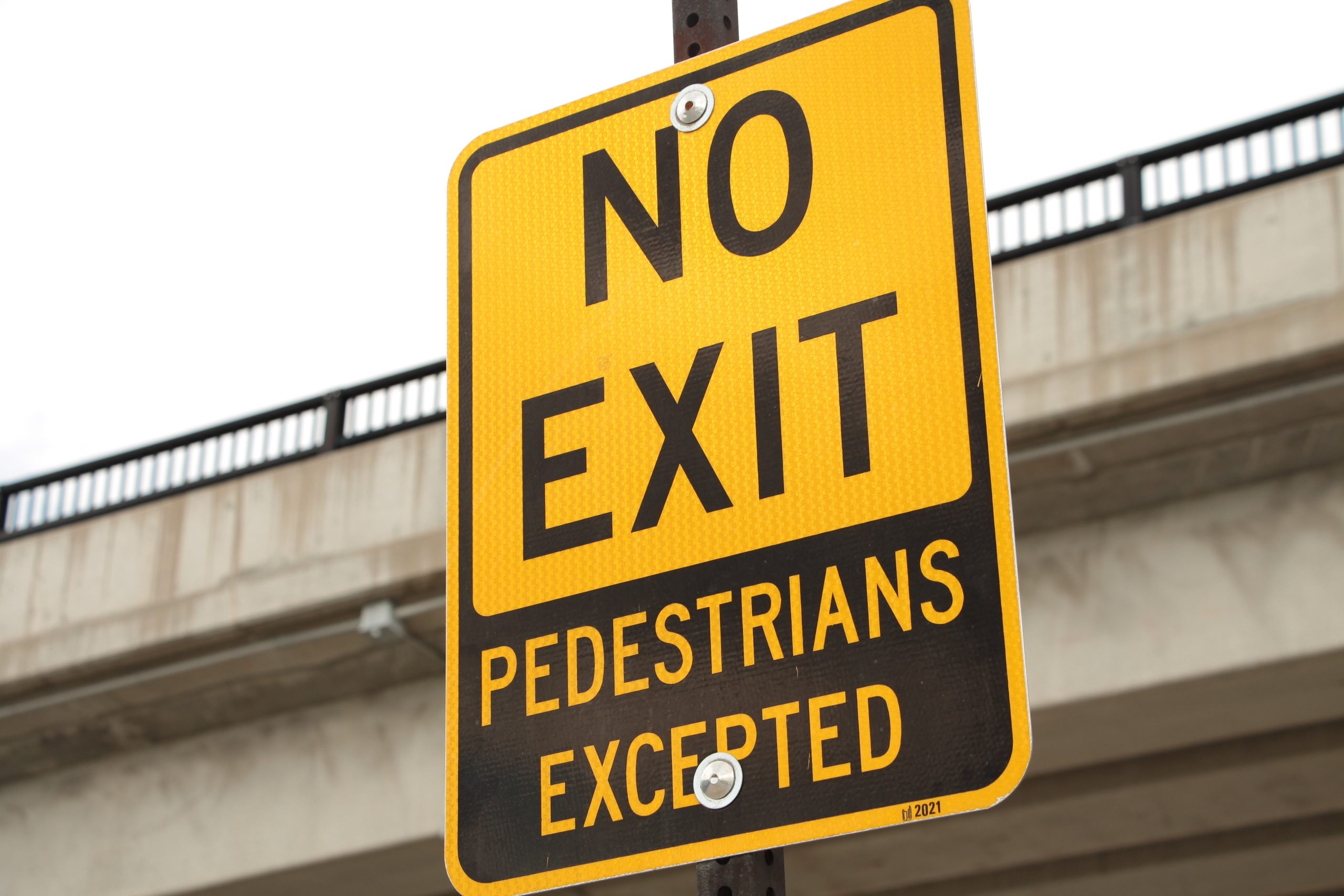
“No Exit” signs for vehicles and pedestrians in Toronto
In 2021, the City of Toronto started installing “No Exit” signs that share access information for vehicles and pedestrians. The signs are normalizing active transportation in the city (descriptive social norm) and giving people permission to use sidewalks and paths that they may not have thought were useable (injunctive social norm).
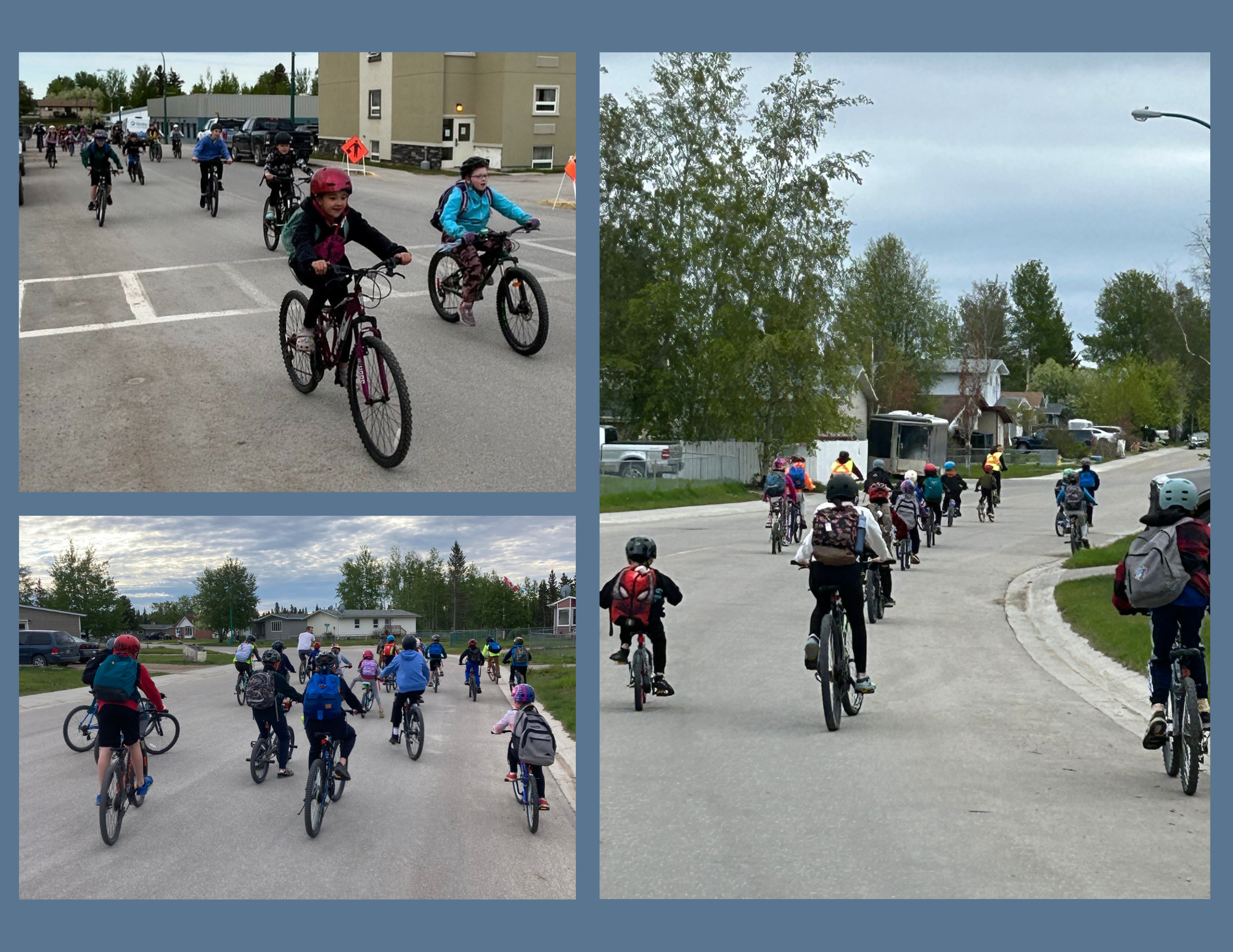
The “bike bus” program in Hay River, Northwest Territories
In June 2024, the Town of Hay River (Canada’s Most Active Community in 2024) introduced a “bike bus” program where grade-school students could join volunteer-led bike rides to school along selected routes. Parents and their kids regularly see the bike bus, normalizing active transportation to get to school (descriptive social norm). The fact that Hay River Recreation organized the program provides formal approval from the Town (injunctive social norm). Registering for the bike bus program makes students expect to see others attending it (social identity).
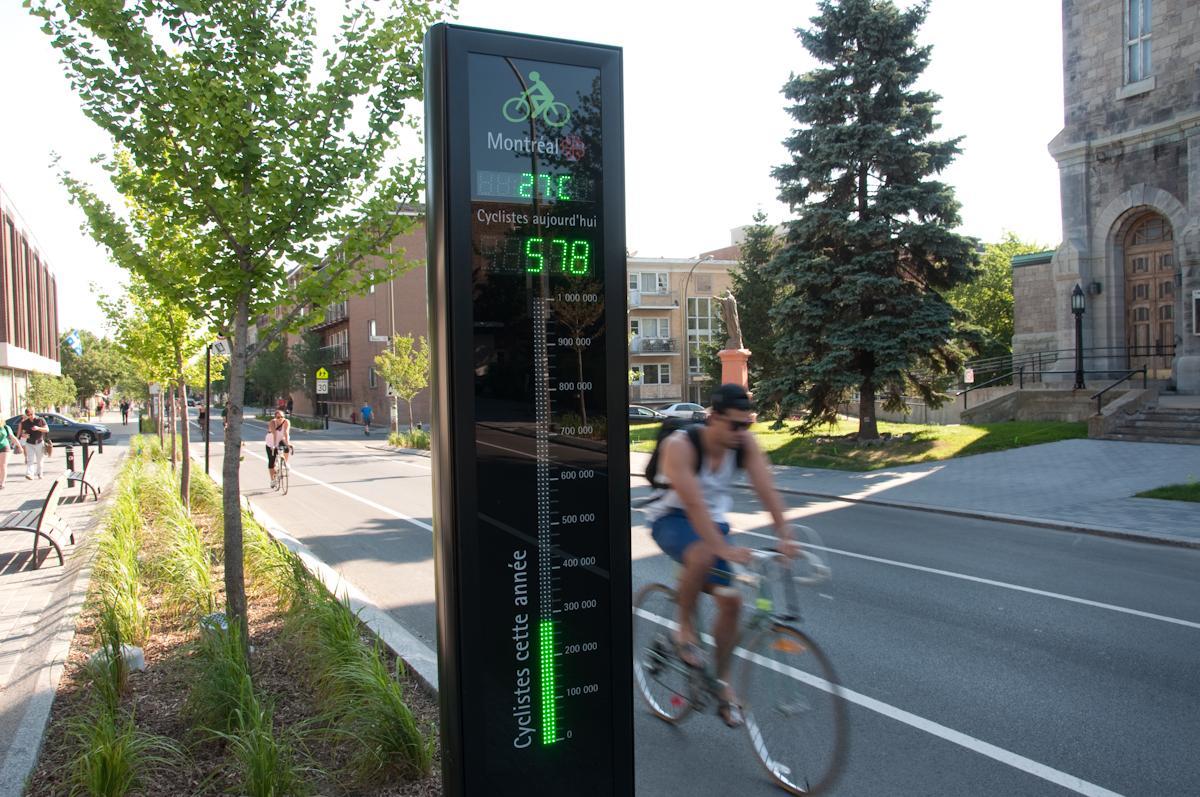
Cyclist counting devices in Montreal, Calgary and Waterloo
These cities have installed devices that count and show the number of cyclists who have used specific bike lanes each day and throughout the year. This is normalizing active transportation and supporting developing dedicated infrastructure for cyclists (descriptive social norms). Seeing live updates may also help cyclists experience a sense of belonging to a group when they each contribute to the count (social identity).
- Significantly lower public health-care costs and boost productivity, improving Canada’s economy and the overall quality of life of its people.
- Help create a healthier planet through more use of active transportation, including public transit.
- Reduce barriers to physical activity to make it more convenient, affordable and inclusive, making getting active an expected, accepted and regular part of everyday life.
Changing the social climate of physical activity in Canada isn’t going to happen right away. But as you’ve seen with smoking and recycling, it’s possible. There’s already some evidence of more people seeing others being active around them, and you can help keep up that momentum.
This week, pick one simple way to be seen getting active by others. Whether it’s joining a walking group, cycling instead of driving or asking a someone you care about to get active with you, each action can help make movement mainstream in Canada.